Difference Between Umrah and Hajj – A Complete Guide for Every Muslim
For every Muslim, visiting the Holy Cities of Makkah and Madinah is a lifelong dream. Two of the most significant acts of worship performed in Saudi Arabia are Umrah and Hajj. Although both are sacred pilgrimages, they differ in terms of religious obligation, timing, rituals, and significance.
If you are planning your spiritual journey, understanding the difference between Umrah and Hajj will help you prepare better and choose the right pilgrimage according to your circumstances.
At Meezab Group, we have helped thousands of Pakistani pilgrims perform Umrah and Hajj with confidence through our reliable travel services and years of experience.
What Is Umrah?
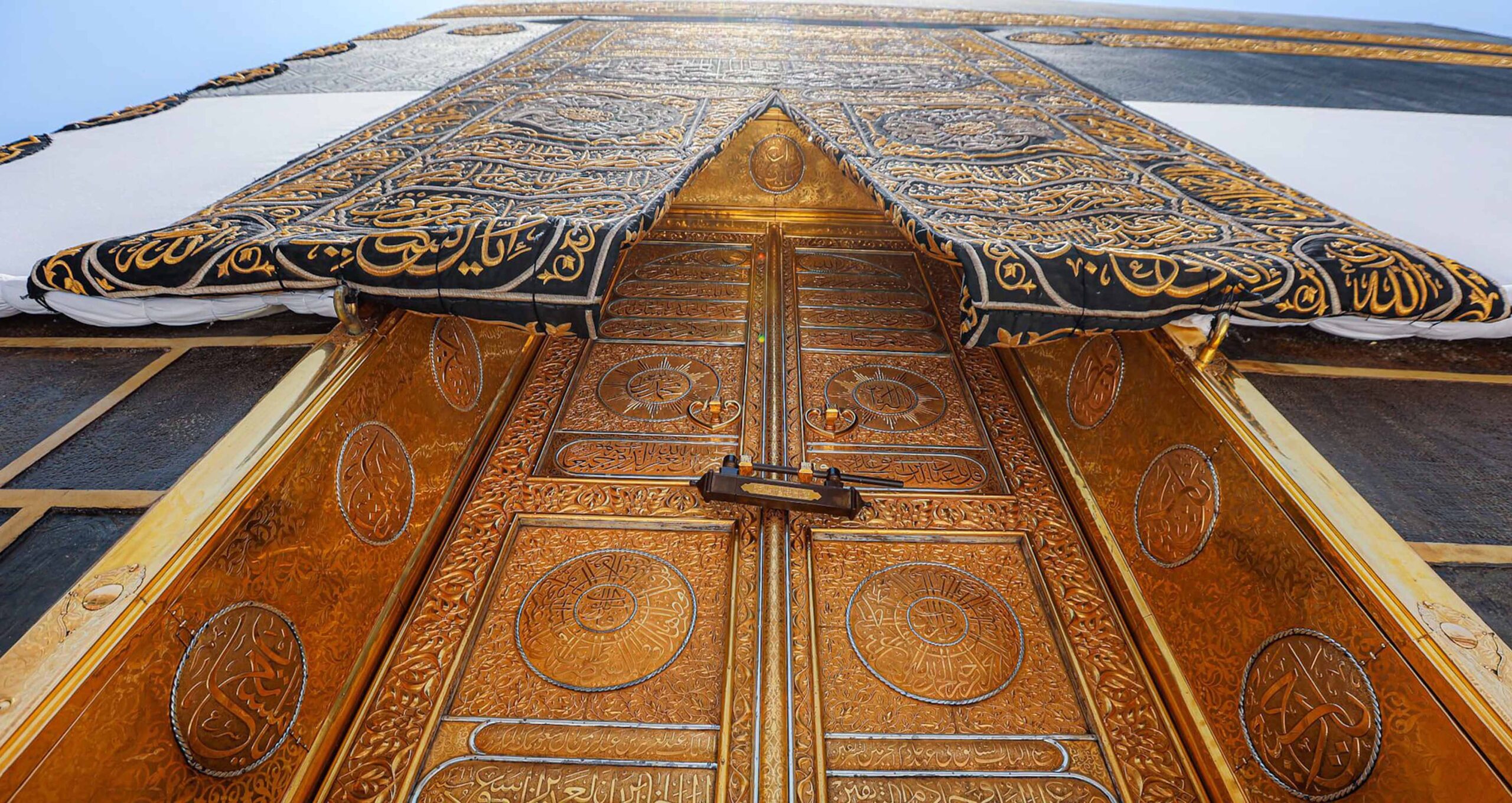
Umrah is an Islamic pilgrimage to the Holy Kaaba in Makkah that can be performed at almost any time of the year. It is often referred to as the “minor pilgrimage.”
Although Umrah is not compulsory, it is a highly recommended act of worship that brings immense spiritual rewards. Muslims from around the world perform Umrah to seek forgiveness, strengthen their faith, and draw closer to Allah.
The main rituals of Umrah include:
Entering the state of Ihram
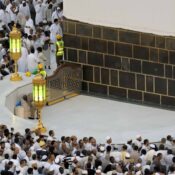
Performing Tawaf around the Holy Kaaba
Performing Sa’i between Safa and Marwah
Shaving or trimming the hair
These rituals can usually be completed within a few hours.
What Is Hajj?
Hajj is the annual pilgrimage to Makkah and is one of the Five Pillars of Islam. Every financially and physically capable Muslim must perform Hajj at least once in their lifetime.
Unlike Umrah, Hajj is performed only during specific days of the Islamic month of Dhul Hijjah.
Hajj includes several important rituals such as:
Entering Ihram
Tawaf
Sa’i
Staying in Mina
Standing at Arafat (Wuquf)
Spending the night in Muzdalifah
Stoning the Jamarat
Animal sacrifice (where applicable)
Farewell Tawaf
These rituals are completed over several days according to the prescribed schedule.
Difference Between Umrah and Hajj
The following table highlights the major differences between Umrah and Hajj.
Feature
Umrah
Hajj
Religious Status
Sunnah (Highly Recommended)
One of the Five Pillars of Islam
Obligation
Not mandatory
Mandatory for eligible Muslims once in a lifetime
Time
Can be performed throughout most of the year
Only during Dhul Hijjah
Duration
Usually a few hours
Approximately 5–6 days
Main Rituals
Ihram, Tawaf, Sa’i, Hair Cutting
Multiple rituals including Mina, Arafat, Muzdalifah, Jamarat and Tawaf
Pilgrims
Smaller crowds (depending on season)
Millions of pilgrims gather together
Planning
More flexible
Requires advance planning and official arrangements
Religious Importance of Umrah
Although Umrah is voluntary, its rewards are tremendous.
Performing Umrah sincerely can:
Strengthen your relationship with Allah
Bring forgiveness for sins
Increase spiritual peace
Provide an opportunity to pray at the Holy Kaaba
Allow Muslims to visit Masjid an-Nabawi in Madinah
Many Muslims perform Umrah multiple times throughout their lives.
Religious Importance of Hajj
Hajj is among the greatest acts of worship in Islam.
For those who perform Hajj sincerely while fulfilling all its conditions, it is a life-changing experience that symbolizes obedience, patience, sacrifice, and unity among Muslims.
Millions of Muslims from every nation gather together in worship, regardless of race, nationality, or social status.
Can You Perform Umrah During Hajj Season?
Yes, Umrah can be performed during parts of the Hajj season, subject to Saudi regulations and visa policies. However, pilgrims intending to perform Hajj must follow the official procedures established by the Saudi authorities.
It is always advisable to consult an authorized Hajj and Umrah travel company before making travel arrangements.
Which One Should You Choose?
If you have already fulfilled the obligation of Hajj or are not yet eligible for it, Umrah is an excellent opportunity to visit the Holy Cities and increase your worship.
If you meet the financial and physical requirements and have not yet performed Hajj, then fulfilling this pillar of Islam should be your priority when the opportunity becomes available.
Why Choose Meezab Group?
Planning a pilgrimage requires trusted guidance and professional support. Meezab Group has been serving Pakistani pilgrims for many years by providing reliable Hajj and Umrah travel services.
Our services include:
Complete Umrah Packages
Hajj Packages
Visa Assistance
Flight Reservations
Hotel Accommodation
Ground Transportation
Group and Family Packages
Professional Customer Support
Our experienced team is committed to making your spiritual journey comfortable, organized, and memorable.
Frequently Asked Questions
Is Umrah compulsory like Hajj?
No. Umrah is a voluntary act of worship, while Hajj is compulsory once in a lifetime for Muslims who are physically and financially able.
How long does Umrah take?
The rituals of Umrah can generally be completed within a few hours, depending on the crowd and circumstances.
Can Umrah replace Hajj?
No. Performing Umrah does not fulfill the obligation of Hajj.
Can children perform Hajj or Umrah?
Yes. Children may accompany their families for Hajj or Umrah, although Hajj performed before reaching adulthood does not fulfill the obligatory Hajj required later in life.
Which pilgrimage has more rituals?
Hajj includes more rituals and takes several days, whereas Umrah consists of fewer rituals and is shorter in duration.
Conclusion
Both Umrah and Hajj are beautiful acts of worship that bring Muslims closer to Allah. While Umrah offers flexibility and can be performed throughout most of the year, Hajj is a once-in-a-lifetime obligation for every eligible Muslim and holds a unique place in Islam.
Understanding the difference between Umrah and Hajj allows pilgrims to prepare properly and perform their journey with confidence and devotion.
If you are planning your next pilgrimage, Meezab Group is here to assist you with trusted Hajj and Umrah services, ensuring a smooth and spiritually rewarding experience from Pakistan to the Holy Land.